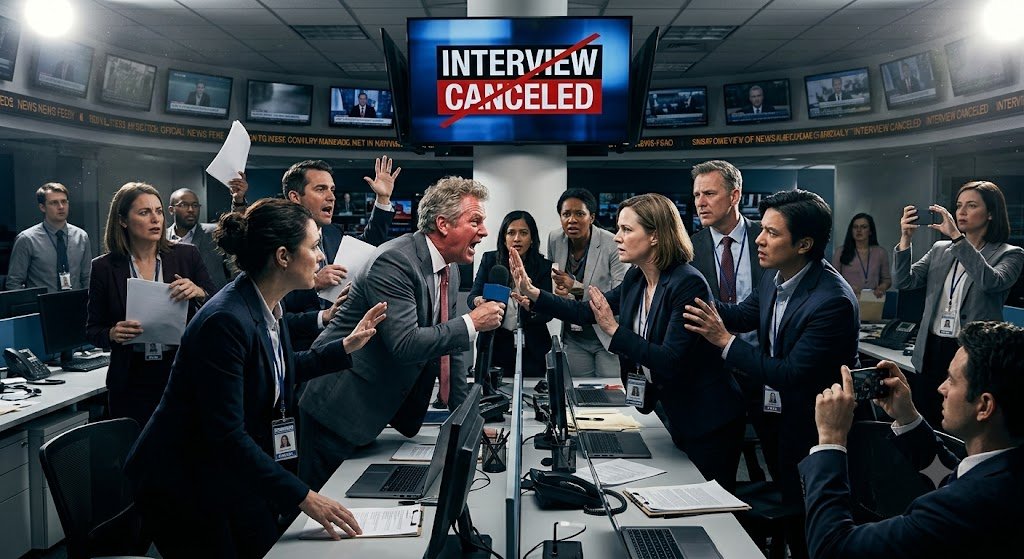
James Talarico, a former Trump campaign official, has publicly criticized the Federal Communications Commission (FCC) for its alleged role in blocking the broadcast of his controversial interview with late-night host Jimmy Kimmel. The incident has sparked a heated debate about free speech, political bias, and the influence of regulatory bodies in shaping media content.
The Interview That Didn't Air
Talarico, who previously worked as a senior advisor to Donald Trump, was interviewed by Jimmy Kimmel on his show. The interview, which reportedly included candid discussions about the Trump administration and its policies, was not aired on television. Kimmel later revealed that the decision to cut the interview was influenced by pressure from the FCC, which he claims was seeking to prevent the broadcast of content deemed 'dangerous' or 'controversial' by certain political groups.
Cancel Culture or Censorship?
Talarico took to social media to denounce what he called 'dangerous' cancel culture, accusing the FCC of overstepping its authority and using its power to suppress dissenting voices. He argued that the interview was a legitimate public discussion and that the FCC's actions were a form of censorship rather than a genuine effort to protect the public interest.
"The FCC is not a public forum for political discourse," Talarico stated in a recent post. "They are using their influence to silence those who challenge the mainstream narrative, which is a dangerous precedent for free speech in America." His comments have resonated with many who feel that media outlets are increasingly influenced by political pressures rather than journalistic integrity.
The Broader Implications
The controversy has reignited discussions about the role of regulatory bodies in media and the boundaries of free speech. Critics argue that the FCC's actions in this case set a dangerous precedent, where political figures and their allies may be held to a higher standard than others. Supporters of the FCC, however, maintain that the agency has a responsibility to ensure that content broadcast on public airwaves does not incite violence or spread misinformation.
Meanwhile, Kimmel has remained largely silent on the matter, though he has been vocal about the challenges faced by journalists in covering political figures. In a recent interview, he noted that the decision to cut the segment was not made lightly and was based on concerns about the potential fallout of airing the content.
Public Reaction and Ongoing Debate
The incident has sparked a polarized response from the public. On one side, many conservatives and free speech advocates have praised Talarico for standing up against what they see as government overreach. On the other hand, some liberals and media watchdogs have criticized the FCC for being too politically aligned with the administration and for failing to protect the rights of all voices in the media landscape.
As the debate continues, the incident serves as a stark reminder of the complex relationship between media, politics, and regulation in the United States. Whether the FCC's actions were justified or an overreach remains a topic of intense discussion, with no clear consensus in sight.