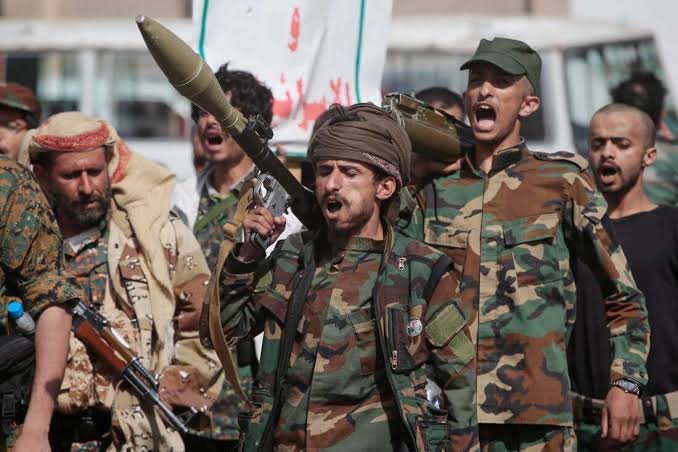
Yemen's Iran-backed Houthis have reached a critical strategic island at the mouth of a vital shipping lane, marking a significant escalation in the ongoing conflict in the region. The island, located near the Bab el-Mandeb Strait, is a crucial chokepoint for global trade, particularly for the movement of oil and other goods between the Red Sea and the Indian Ocean.
Strategic Significance of the Island
The island's location makes it a strategic asset for controlling maritime traffic in the Bab el-Mandeb Strait, one of the busiest shipping lanes in the world. This strait connects the Red Sea to the Gulf of Aden and is a key route for about 40% of global seaborne trade, including a significant portion of the world's oil exports.
Houthis' Military Advance
The Houthis, a Zaidi Shia Muslim group supported by Iran, have been advancing along the Red Sea coast of Yemen. Their recent capture of the island represents a major military and strategic gain. This move has intensified concerns among international powers and shipping companies about the security of maritime routes and the potential for disruptions in global trade.
International Reactions and Implications
Reactions from the international community have been swift. The United Nations has expressed concern over the situation, calling for a de-escalation of hostilities. Meanwhile, key global powers, including the United States and the United Kingdom, have warned of the potential for increased tensions in the region.
Background on the Conflict
The conflict in Yemen, which began in 2015, has seen the Houthis, backed by Iran, fighting against a Saudi-led coalition. The Houthis have been using the Red Sea coast as a strategic corridor to move supplies and reinforce their positions. The recent capture of the island further strengthens their control over the area and could have long-term implications for regional stability.
Impact on Global Trade and Security
The capture of the island has raised alarms about the security of global trade routes. Shipping companies are now considering alternative routes, which could lead to increased costs and delays. Additionally, the situation has heightened the risk of maritime confrontations, with reports of increased military activity in the region.
Future Outlook
Experts suggest that the Houthis' move may lead to further military actions, as the group aims to solidify its control over the strategic area. However, the international community is likely to continue pressing for a political resolution to the conflict, as the situation remains volatile and could have far-reaching consequences for global trade and security.