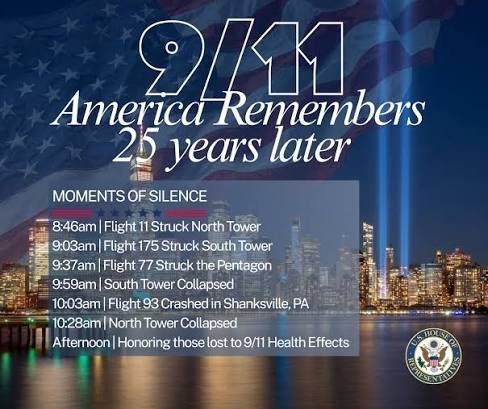
Twenty-five years after the September 11 attacks, the world continues to grapple with the profound and lasting consequences of one of the most significant events in modern history. The attacks, which resulted in nearly 3,000 deaths and reshaped global politics, security, and intelligence strategies, have left an indelible mark on international relations and domestic policies. While the immediate aftermath saw a surge in counterterrorism efforts, the path forward has been complex, marked by both progress and persistent challenges.
The Intelligence Failures and Their Legacy
One of the most scrutinized aspects of the 9/11 attacks is the intelligence failures that preceded them. Despite warnings from multiple agencies, including the FBI and CIA, the planning and execution of the attacks were not fully anticipated. The lack of coordination between agencies, the misinterpretation of intelligence, and the absence of a unified response highlighted systemic weaknesses in the U.S. intelligence community.
Strategies and the Global Counterterrorism Framework
In the wake of the attacks, the United States and its allies implemented sweeping reforms to enhance national security. The creation of the Department of Homeland Security in 2002, the expansion of surveillance programs, and the increased focus on preemptive military action all reflected a shift in strategy. These measures, while aimed at preventing future attacks, also sparked debates about civil liberties, privacy, and the balance between security and freedom.
Missed Opportunities and Ongoing Challenges
Despite significant investments in counterterrorism, many experts argue that key opportunities were missed. The rise of ISIS, the proliferation of extremist groups, and the increasing use of digital platforms for recruitment have created new challenges that were not fully anticipated in the early 2000s. Additionally, the overreliance on military solutions in regions like the Middle East has led to prolonged conflicts and instability, which have in turn fueled more radicalization.
Lessons for the Future
As the world continues to navigate the aftermath of 9/01, the lessons of that day remain relevant. The importance of intelligence sharing, the need for a more coordinated approach to global security, and the necessity of addressing the root causes of extremism are all themes that have emerged as central to the ongoing discussion. While significant progress has been made, the enduring nature of the threat means that the work is far from over.
- Intelligence coordination remains a critical challenge.
- Global security strategies must adapt to evolving threats.
- The balance between security and civil liberties continues to be a contentious issue.
- Addressing the root causes of extremism is essential for long-term stability.
As the anniversary of 9/11 approaches, it serves as a reminder of the complexities of global security and the need for continuous learning and adaptation. The events of that day have not only shaped the policies of the past two decades but continue to influence the strategies and priorities of the present and future.