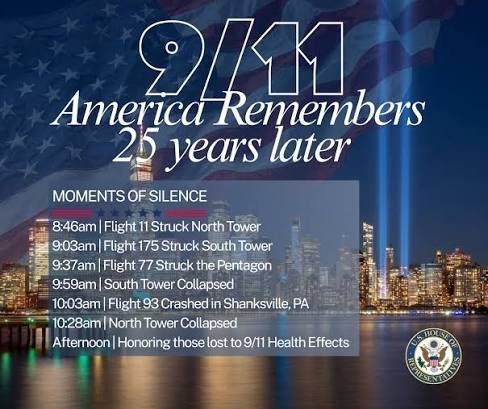
As the United States commemorates the 25th anniversary of September 11, 2001, the nation is reflecting on the day that forever changed its trajectory. The attacks on the World Trade Center and the Pentagon left a profound impact, with nearly 3,000 lives lost and a lasting scar on the American psyche.
A Day That Changed History
On September 11, 2001, terrorists affiliated with the Islamic extremist group Al-Qaeda launched coordinated attacks on American soil, targeting iconic landmarks in New York City and Washington, D.C. The collapse of the Twin Towers and the damage to the Pentagon marked the deadliest terrorist attack in history, and it reshaped global politics, security policies, and international relations.
President George W. Bush addressed the nation that evening, declaring the attacks an act of war and vowing to bring those responsible to justice. The subsequent War on Terror led to the invasion of Afghanistan, the establishment of the Department of Homeland Security, and a significant shift in how the United States approached national security.
Legacy and Reflection
As the anniversary of 9/11 approaches, the United States is once again engaging in a national conversation about its legacy. While many Americans remember the day with a mix of grief and gratitude, the event has also sparked debates about its long-term consequences. Some argue that the security measures implemented in the aftermath have had lasting effects on civil liberties and global stability.
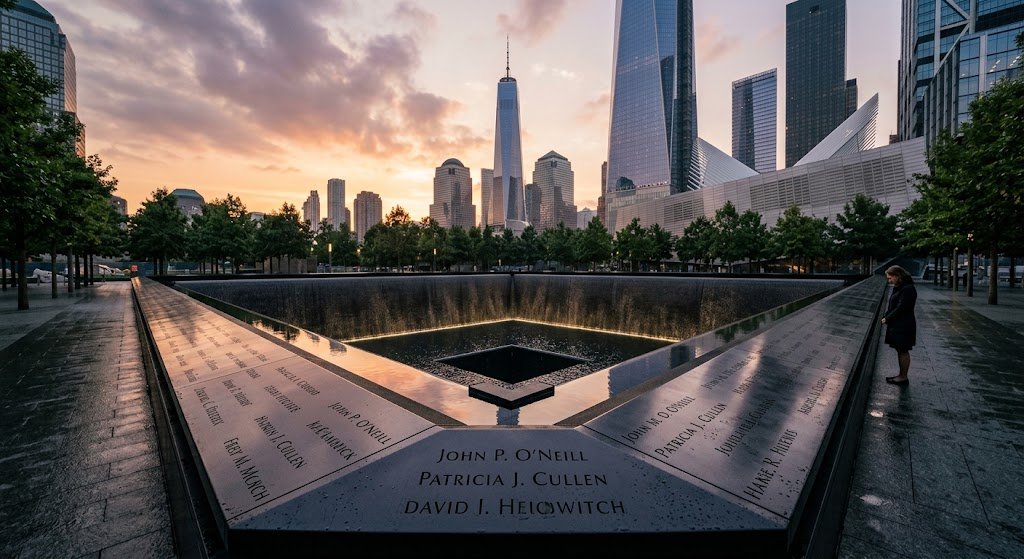
Communities across the country are holding vigils, memorials, and educational programs to honor the victims and discuss the lessons learned. In New York City, the 9/11 Memorial and Museum remains a powerful symbol of resilience and remembrance, drawing visitors from around the world.
AI and Security Concerns
Amidst the commemorations, discussions about AI safety and ethical concerns have gained traction. Researchers and experts are raising alarms about the potential risks of advanced artificial intelligence, particularly in the context of national security. These concerns have become even more relevant in the post-9/11 era, as the intersection of technology and global threats continues to evolve.
While the anniversary serves as a reminder of the dangers that can arise from global instability, it also highlights the importance of vigilance, unity, and ethical responsibility in an increasingly complex world.
As the nation reflects on the past 25 years, the conversation extends beyond the tragedy itself, touching on themes of resilience, security, and the future of global cooperation.