iqiyi, China's leading streaming platform, has announced a bold strategy to leverage artificial intelligence (AI) in its content creation process, aiming to produce most of its new films using AI technology. The move has sparked significant discussion within the entertainment and tech sectors, with many questioning the implications for originality, creativity, and the future of storytelling in the Chinese media landscape.
iqiyi's AI Content Strategy
iqiyi, which operates under the umbrella of Tencent, has long been a major player in China's streaming market, competing with platforms like iQIYI and Youku. With a growing user base and an expanding library of content, the platform is now looking to AI to scale its production capabilities and reduce costs associated with traditional filmmaking.
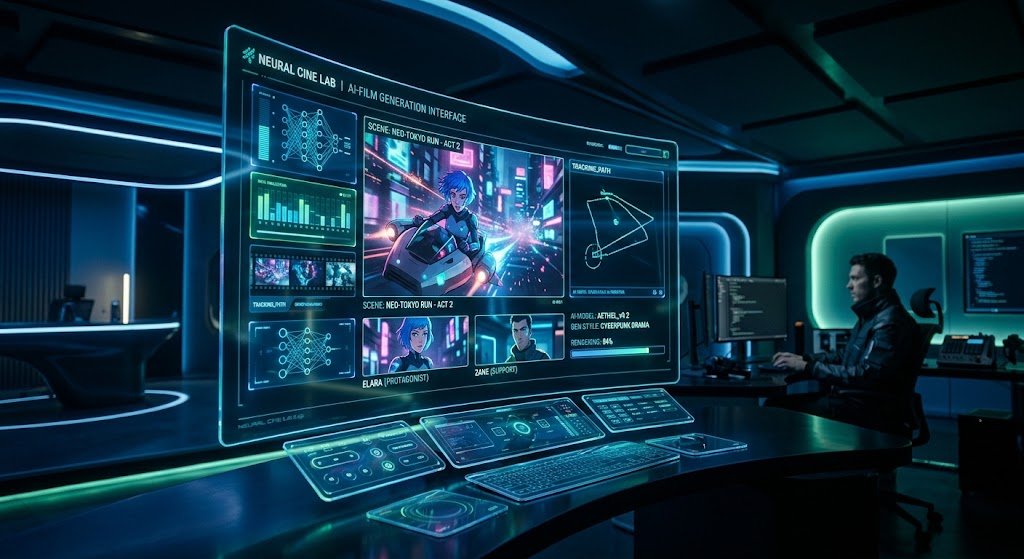
According to reports, iqiyi is planning to use AI to generate a significant portion of its new films, including both feature-length and short-form content. The platform is reportedly investing in AI-driven tools that can create scripts, design characters, and even generate visual elements for films. This approach is expected to allow iqiyi to produce more content at a faster rate, meeting the rising demand for entertainment among Chinese audiences.
Implications for the Entertainment Industry
While the use of AI in content creation has been gaining traction globally, its application in the Chinese market is still relatively new. The move by iqiyi has raised questions about the impact on human creativity and the potential for AI-generated content to replace traditional filmmaking techniques.
Some industry experts have expressed concerns that over-reliance on AI could lead to a homogenization of content, resulting in less diverse and less engaging films. However, others argue that AI can help democratize content creation, allowing more voices and perspectives to be represented in the media landscape.
Challenges and Opportunities
Despite the potential benefits, there are several challenges associated with using AI in film production. One of the primary concerns is the ethical implications of AI-generated content, particularly when it comes to issues like authorship, intellectual property, and the potential for misinformation or bias in AI-generated narratives.
Additionally, there are technical challenges in ensuring that AI-generated films meet the quality standards expected by audiences. While AI can assist in the creative process, it currently lacks the emotional depth and nuance that human creators bring to storytelling. This means that the final product may still require significant human input and oversight.
Nevertheless, the potential for AI to revolutionize the entertainment industry is undeniable. As iqiyi and other platforms continue to explore the use of AI in content creation, it is likely that we will see a shift in how films are produced, distributed, and consumed in the coming years.
For now, the focus remains on balancing innovation with creativity, ensuring that AI enhances rather than replaces the human element of storytelling. As the entertainment industry evolves, the role of AI in shaping the future of content creation will undoubtedly remain a topic of ongoing discussion and exploration.